Site Search
Site Search
Balancing work, family, and other responsibilities while pursuing an education can be challenging. For individuals interested in the skilled trades, attending traditional on-campus classes may not always be practical.
At Pinnacle Career Institute (PCI), students combine structured online coursework with hands-on technical training in Kansas City, Missouri. Through programs in HVAC, wind energy, and telecommunications, PCI provides an educational pathway that allows students to develop foundational knowledge online before applying what they've learned in a practical training environment.
But how does online trade school actually work, and what can students expect from the experience?
Here's a closer look at how PCI brings online education and hands-on training together.

One of the defining features of PCI's educational approach is its combination of online instruction and practical training.
PCI offers career-focused programs in HVAC, wind energy, and telecommunications through a format that includes online coursework and a required hands-on practicum, commonly referred to as boot camp.
During the online portion of their programs, students complete structured coursework that includes assignments, discussions, assessments, and other learning activities. Students are expected to participate regularly, meet established deadlines, and maintain satisfactory academic progress.
This format allows students to complete much of their education online while maintaining the structure and accountability of a traditional academic program.
For example, students enrolled in PCI's HVAC Technician program study subjects such as electrical fundamentals, refrigeration systems, heating equipment, and heat pump technologies. During their hands-on practicum, students have opportunities to apply their knowledge using tools and equipment relevant to the HVAC industry.
By combining online instruction with practical application, PCI helps students connect technical concepts with the skills used in their chosen fields.
Skilled trades education requires more than understanding technical concepts. Students must also develop knowledge of workplace safety, industry practices, and the equipment used in their respective fields.
PCI's programs are designed with input from faculty, industry professionals, employers, and program advisory committees to help keep instruction relevant to the industries students are preparing to enter.
Each program focuses on different technical competencies and training objectives.
PCI's Wind Turbine Technician program introduces students to the mechanical, electrical, hydraulic, and safety concepts relevant to wind energy operations.
Students study topics such as turbine components, troubleshooting, electrical systems, and workplace safety. The program also incorporates Global Wind Organisation (GWO) Basic Safety Training (BST) and Basic Technical Training (BTT) during the hands-on practicum.
The HVAC Technician program focuses on heating, ventilation, air conditioning, and refrigeration systems.
Students study electrical theory, heating and cooling equipment, refrigeration principles, system diagnostics, and installation and maintenance practices.
The curriculum also includes preparation for industry-recognized credentials, including OSHA 10-Hour Construction Safety and EPA Section 608 Universal Certification.
PCI's Tower Technician program introduces students to the technical and safety requirements associated with telecommunications infrastructure.
Coursework covers subjects such as tower structures, climbing safety, rigging, fall protection, and radio frequency (RF) safety awareness.
The program's hands-on training includes practical climbing and safety competencies. Following the required practicum, students may become eligible to sit for the National Wireless Safety Alliance (NWSA) Telecommunications Tower Technician Level 1 (TTT-1) examination.
Certification requirements and examination outcomes vary by credential. Completion of training does not automatically guarantee certification or employment.

Online education provides an alternative to attending classes on campus, but it still requires commitment, participation, and time management.
PCI uses Canvas, a Learning Management System (LMS), to deliver online coursework and facilitate interaction between students and instructors.
Through Canvas, students can access course materials, participate in learning activities, complete assessments, and submit assignments.
Students are responsible for keeping up with their coursework, meeting deadlines, and participating in required academic activities.
PCI also provides resources designed to support students throughout their education.
These include:
These services provide students with resources to help them manage their education and work toward their academic goals.
While online coursework provides the academic foundation, hands-on training gives students opportunities to practice technical skills in a supervised learning environment.
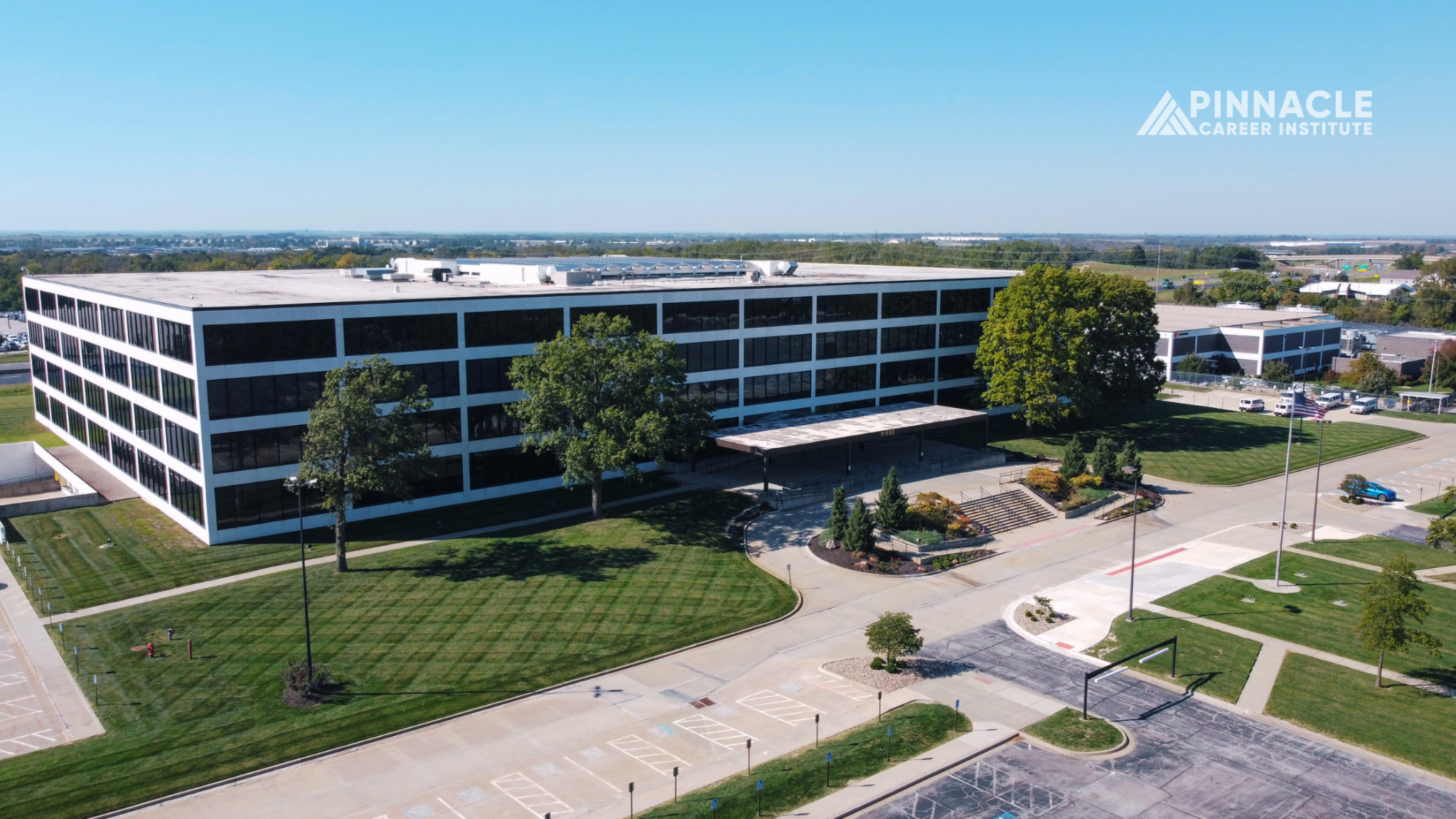
PCI's programs include a required, intensive hands-on practicum at its Kansas City, Missouri, campus.
The practicum consists of 80 hours of hands-on instruction delivered during a 10-day residential training experience.
During boot camp, students work with instructors and equipment relevant to their program of study.
Depending on their program, students may participate in activities involving:
Boot camp also provides an opportunity for students to interact with instructors and fellow students in person while applying concepts introduced during online coursework.
PCI coordinates designated travel and lodging arrangements for eligible students attending boot camp.
Depending on the student's location and applicable travel policies, arrangements may include airfare or assistance with driving expenses, hotel accommodations, local transportation, and designated meals.
Students remain responsible for certain personal expenses and any additional costs identified in PCI's travel policies.
Participation in boot camp is subject to academic eligibility requirements and institutional policies.
Students should review the current PCI Catalog and Student Handbook for complete information regarding boot camp attendance, travel arrangements, and associated responsibilities.

Choosing a trade school involves understanding the admissions process, academic expectations, and available financial resources.
PCI's Admissions team works with prospective students to provide information about programs, enrollment requirements, and the steps involved in beginning their education.
Prospective students must meet PCI's established admissions requirements, which include providing documentation of a high school diploma or recognized equivalent.
Applicants must also successfully complete the required Admissions Entrance Exam and Online Readiness Assessment.
Additional enrollment requirements and procedures are outlined in PCI's current Catalog and Student Handbook.
PCI accepts federal financial aid for students who qualify and offers institutional scholarship opportunities to eligible applicants.
Scholarship opportunities include:
PCI also provides information and assistance regarding applicable military education benefits.
Financial aid and scholarships are available to those who qualify. Eligibility requirements, award amounts, and application procedures vary.
Prospective students are encouraged to speak with PCI's Financial Aid team to explore available options and better understand their individual financial responsibilities.
Preparing for a career involves more than completing coursework. Students also benefit from understanding how to communicate their skills, search for opportunities, and navigate the hiring process.
PCI's Career Services team provides career preparation resources and job search assistance to students and graduates.
Services include:
These services are intended to help students and graduates approach their job search with greater preparation and confidence.
While PCI provides career and job search assistance, employment is not guaranteed. Individual employment opportunities depend on factors such as qualifications, geographic availability, employer requirements, and labor market conditions.
An important part of career-focused education is learning from instructors who understand the technical requirements and practical applications of the subjects they teach.
PCI selects instructors based on their academic qualifications, professional backgrounds, and experience in their respective fields.
Across PCI's programs, instructors bring knowledge of industry practices, equipment, safety procedures, and technical competencies into the learning environment.
For example, HVAC instructors draw on experience with heating, cooling, and refrigeration systems, while wind energy and telecommunications instructors provide instruction related to the equipment, procedures, and safety considerations associated with their industries.
Through online instruction and hands-on training, PCI's faculty helps students connect classroom concepts with practical applications.
Choosing a trade school is an important decision. Prospective students should consider program structure, academic expectations, hands-on training opportunities, student resources, and institutional accreditation when evaluating their options.
PCI offers several features for individuals exploring career-focused technical education.
Pinnacle Career Institute is accredited by the Accrediting Commission of Career Schools and Colleges (ACCSC), a recognized institutional accrediting agency by the U.S. Department of Education.
PCI has also participated in the National Council for State Authorization Reciprocity Agreements (NC-SARA) since 2015.
PCI's educational model combines online instruction with a required hands-on practicum.
Students develop foundational knowledge through structured online coursework and practice technical competencies during their training experience in Kansas City.
PCI offers programs designed to prepare students for entry-level opportunities in HVAC, wind energy, and telecommunications.
Each program incorporates industry-relevant instruction, safety concepts, and practical training appropriate to its field.
From Admissions and Financial Aid to Academic Advising and Career Services, PCI provides resources to assist students at different stages of their educational journey.
PCI's mission is to empower students to better their lives and contribute positively to the organizations and communities in which they work and live through quality, student-centered higher education.
There is more than one way to build a meaningful career.
For individuals interested in HVAC, wind energy, or telecommunications, Pinnacle Career Institute offers an educational pathway that combines structured online learning with hands-on technical training.
Whether you're exploring a new career direction or looking to develop skills in a technical field, understanding your educational options is an important first step.
Explore Pinnacle Career Institute's programs, review admissions requirements, and connect with the Admissions team to learn more about your options.
Visit www.pcitraining.edu to get started.
Program requirements, training schedules, certification eligibility, financial assistance, and student services are subject to applicable institutional policies and individual eligibility requirements. Refer to PCI's current Catalog and Student Handbook for complete details. PCI does not guarantee certification, licensure, or employment.
Useful Links
News & Updates