.png?width=250&height=56&name=PCI%20Logo%20Horizontal%20-%20Web%20Ready%20Large%20(1).png)

Site Search
Site Search
A four-year degree isn't the only path to a stable, hands-on career you can be proud of. Across the country, employers in energy, telecommunications, construction, and repair industries need qualified, safety-trained workers, and many of the fastest-growing trades ask for a certificate or focused technical training instead of a bachelor's degree.
Below are ten skilled trade careers worth a serious look. Three of them, HVAC Technician, Wind Turbine Technician, and Tower Technician, are programs Pinnacle Career Institute (PCI) trains students for directly, online and in Kansas City, Missouri. We've gone into more depth on those three so you can see exactly what the training involves. The rest are included to give you a fuller picture of the skilled trades landscape as you weigh your options.
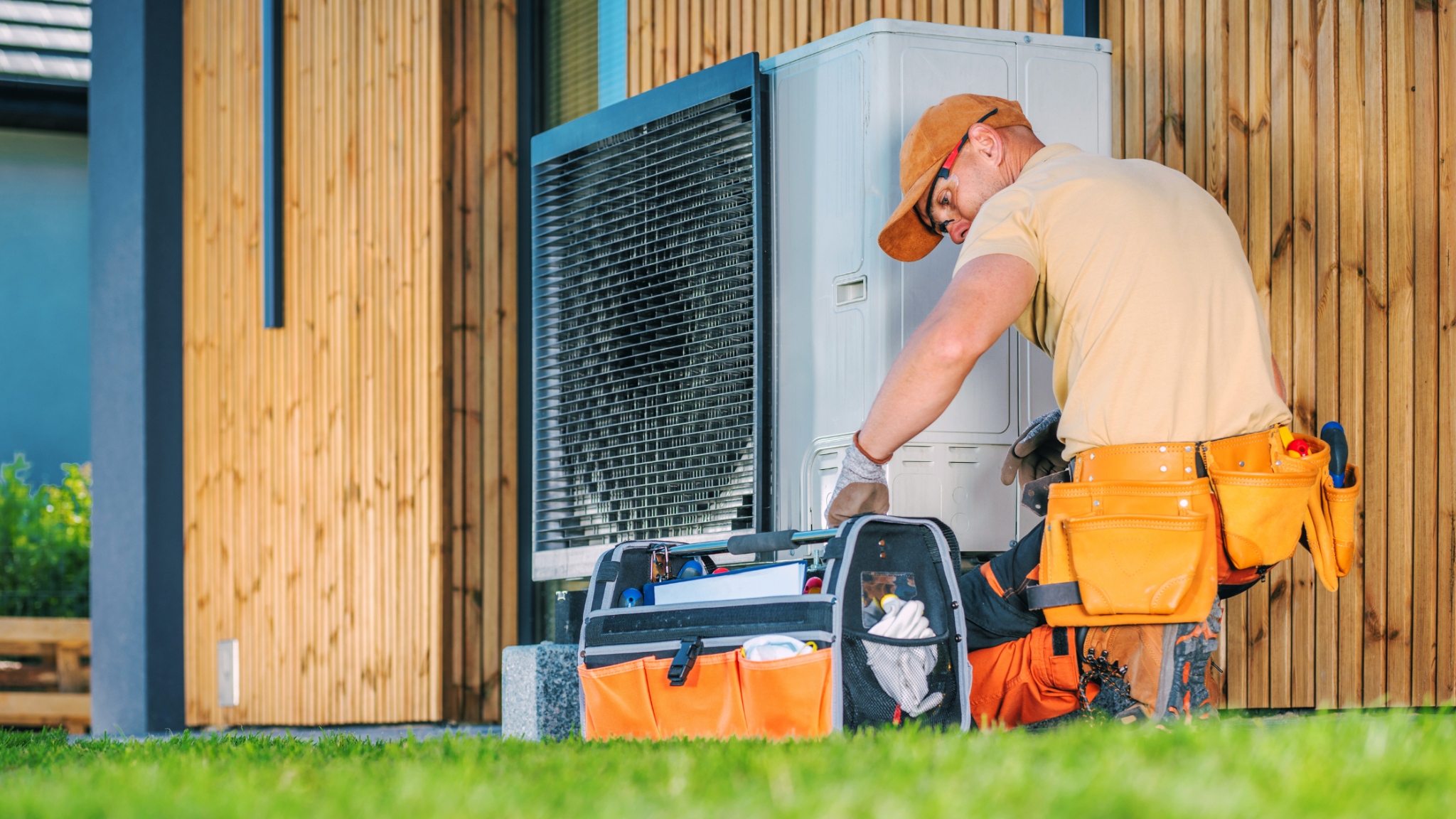
1. HVAC Technician
Heating, ventilation, air conditioning, and refrigeration systems need regular installation, maintenance, and repair in nearly every home and commercial building in the country, which keeps demand for trained HVAC technicians consistently strong. Typical entry-level education is a postsecondary certificate rather than a degree, and the U.S. Department of Labor projects employment in the field to grow faster than average over the next decade as buildings add more advanced climate control and energy-efficiency technology.
Train for this at PCI: PCI's online HVAC Technician certificate program is 40 weeks long (assuming continuous enrollment and satisfactory academic progress) and covers HVAC electrical concepts, gas heat, air conditioning, heat pumps, and refrigerant handling, building toward a hands-on, 10-consecutive-day residential practicum at PCI's Kansas City training facility. There, students install furnaces, build air distribution systems, test AC circuits, assemble copper, plastic, and carbon steel piping, and service heat pumps and compressors using real HVAC equipment, including walk-in coolers, rooftop package units, and refrigeration training units. The program is designed to prepare students to sit for the OSHA-10 Construction Safety Certification and the EPA Section 608 Universal Certification (Core, Type I, II, and III), which are widely recognized across the industry. Air travel, lodging, program-related local transportation, and daytime meals for the Kansas City practicum are included in tuition.

2. Wind Turbine Technician
Wind turbine technicians install, inspect, and repair the turbines that make up one of the fastest-growing segments of the U.S. energy industry. It is physical, technical work that blends electrical and mechanical troubleshooting with comfort working at heights, and because the field is still relatively young, employers often hire directly out of accredited technical training programs.
Train for this at PCI: PCI's online Wind Turbine Technician certificate program is 40 weeks long (assuming continuous enrollment and satisfactory academic progress) and covers electrical and mechanical fundamentals, hydraulic systems, bolt-torquing procedures, and safety protocols for working at heights, aligned with Global Wind Organization (GWO) safety standards. The program culminates in a 10-consecutive-day residential practicum in Kansas City using a 60-foot outdoor monopole tower and an indoor climbing lab, where students practice climbing, rescue procedures, and turbine maintenance with full-body harnesses and industry rescue equipment. Students sit for GWO Basic Safety Training (BST) and Basic Technical Training (BTT), along with OSHA-30 and NFPA 70E Electrical Safety certifications. Graduates who want to go further can continue directly into PCI's Wind Energy Technology program, a 70-week Associate of Occupational Studies degree that builds on the Wind Turbine Technician certificate with wind site management, supervisory and technical communication skills, and IT training in SCADA systems and networking, useful for students aiming toward lead or supervisory roles down the road.

3. Tower Technician
Cell tower and telecommunications infrastructure needs ongoing buildout and maintenance to keep pace with network expansion, and tower technicians are the ones who climb, inspect, install, and repair the antennas and equipment that keep wireless networks running. It's demanding work that involves heights and travel, but it also has a comparatively short training timeline and can lead into specialized or supervisory roles.
Train for this at PCI: PCI's online Tower Technician certificate program is the shortest of PCI's three trade programs at 30 weeks (assuming continuous enrollment and satisfactory academic progress), covering tower site planning, fall protection, RF radiation safety, rigging operations, tower equipment, and antenna installation. Training is aligned with National Wireless Safety Alliance (NWSA) standards for Tower Technician Training Level 1 (TTT-1). The program includes a 10-consecutive-day practicum in Kansas City, where students complete hands-on training using PCI's outdoor monopole tower, indoor climbing lab, and industry climbing and safety equipment while practicing climbing techniques, rigging, signaling, weatherproofing, and knot tying. Graduates complete OSHA-10 training and are eligible to sit for the NWSA TTT-1 computer-based certification exam.
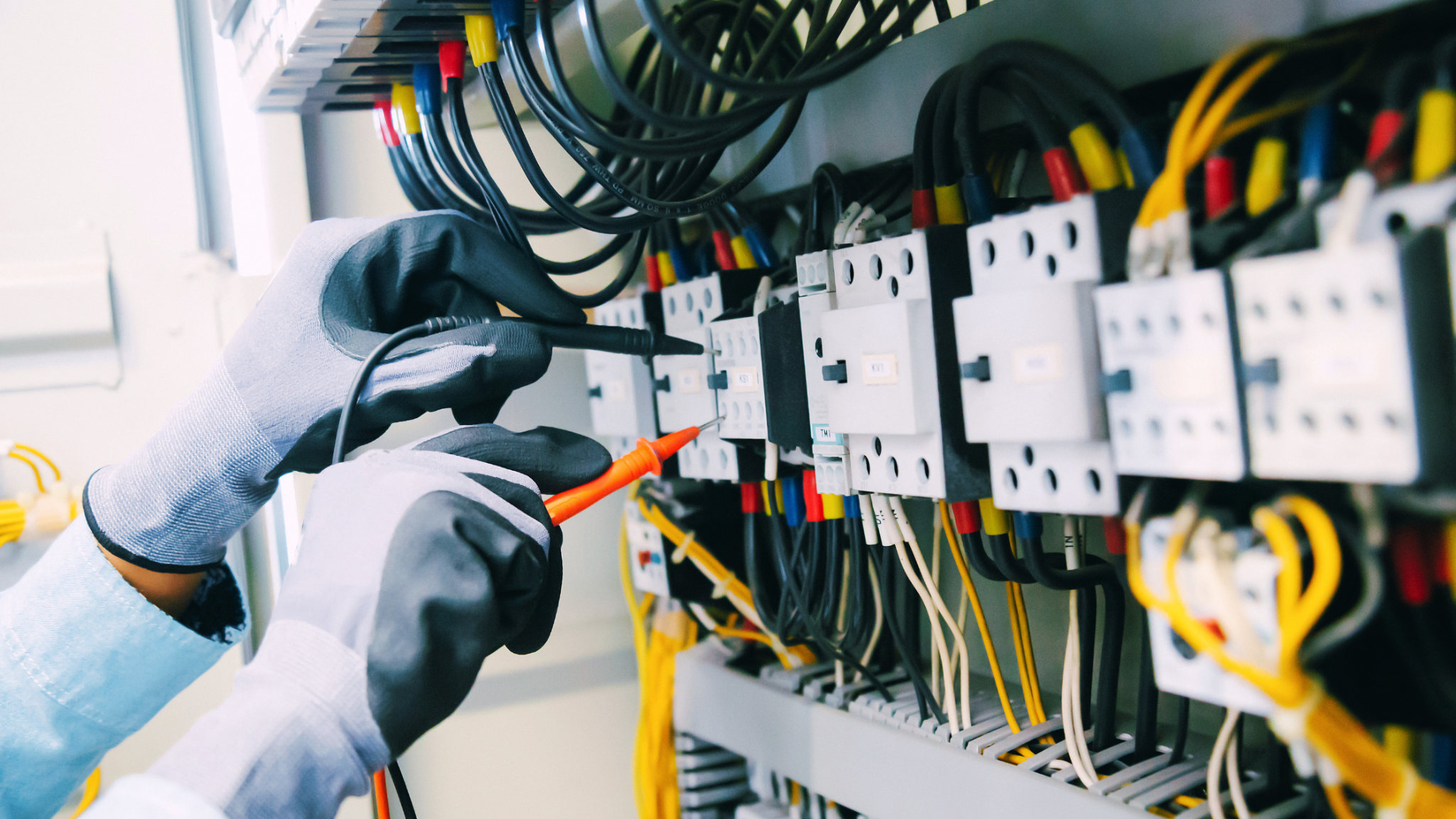
4. Electrician
Electricians install, maintain, and repair the electrical systems that power homes, businesses, and infrastructure. It's one of the most recognizable skilled trades, and demand continues as buildings add wiring for EV charging, smart systems, and renewable energy. Entry typically starts with a high school diploma followed by a multi-year apprenticeship, and most states require licensure. The U.S. Department of Labor projects much-faster-than-average job growth for electricians over the next decade.
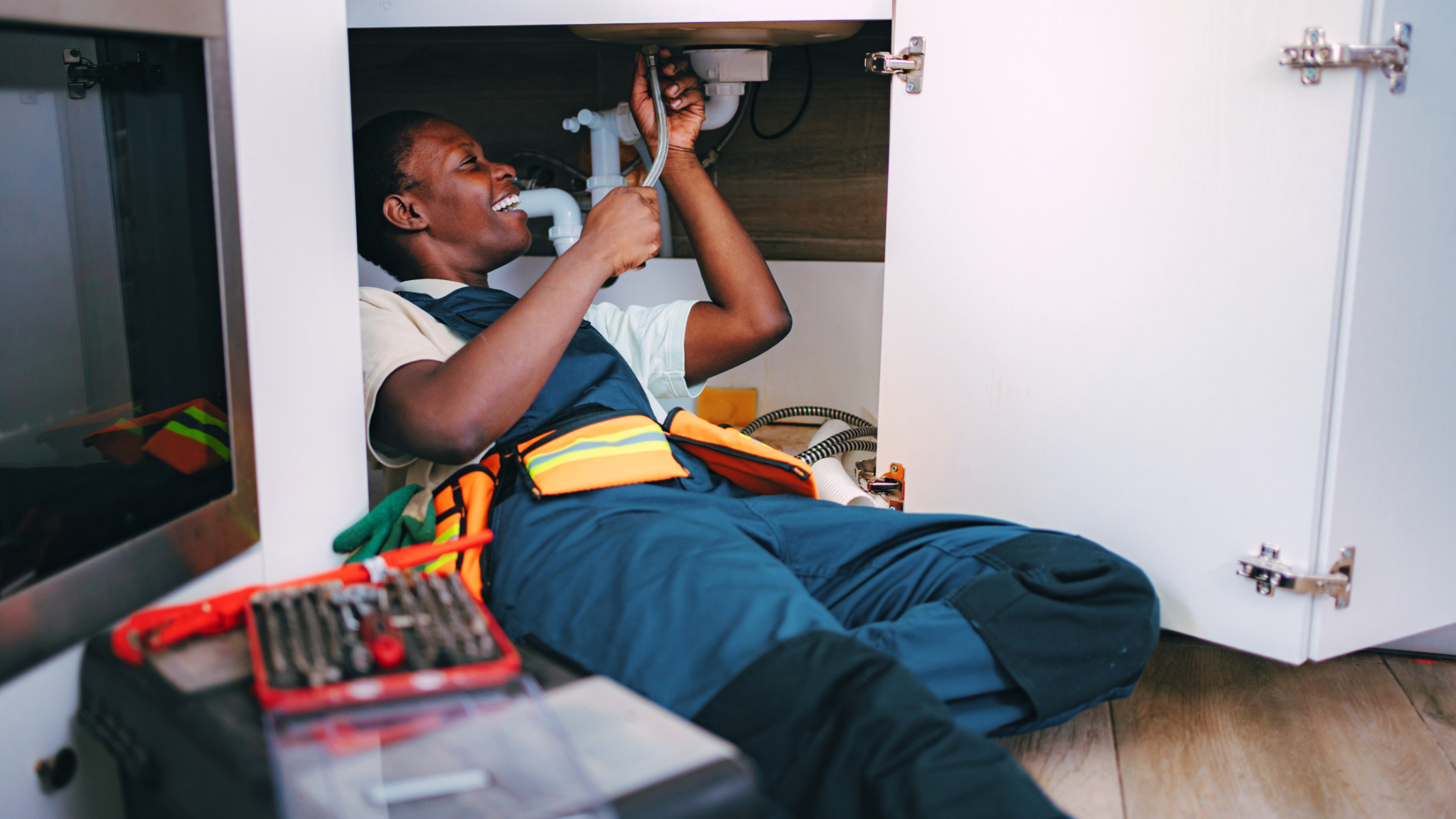
5. Plumber
Plumbers install and repair the pipes, fixtures, and systems that carry water, gas, and waste through buildings, work that can't be outsourced or automated away, since every building needs someone to install and service its plumbing. Like electrical work, plumbing typically requires a high school diploma and an apprenticeship, often combining paid on-the-job training with technical coursework. Job growth is projected at about the average rate for all occupations.

6. Solar Photovoltaic Installer
Solar installers assemble, mount, and wire the panel systems that convert sunlight into electricity for homes, businesses, and solar farms. As solar adoption keeps expanding, this is projected to be one of the faster-growing trades in the country over the next decade. Many solar installers enter with a high school diploma and a short technical training program, while others transition in from roofing, electrical, or general construction backgrounds.

7. Welder
Welders fuse metal parts together for construction, shipbuilding, manufacturing, and pipeline work. It's a hands-on craft where certification level and specialization (underwater, pipeline, or aerospace welding, for example) can open up more advanced opportunities. Entry typically requires a high school diploma plus technical and on-the-job training, and because welding is a foundational skill used across so many industries, it's one of the more flexible trades to build a career on.
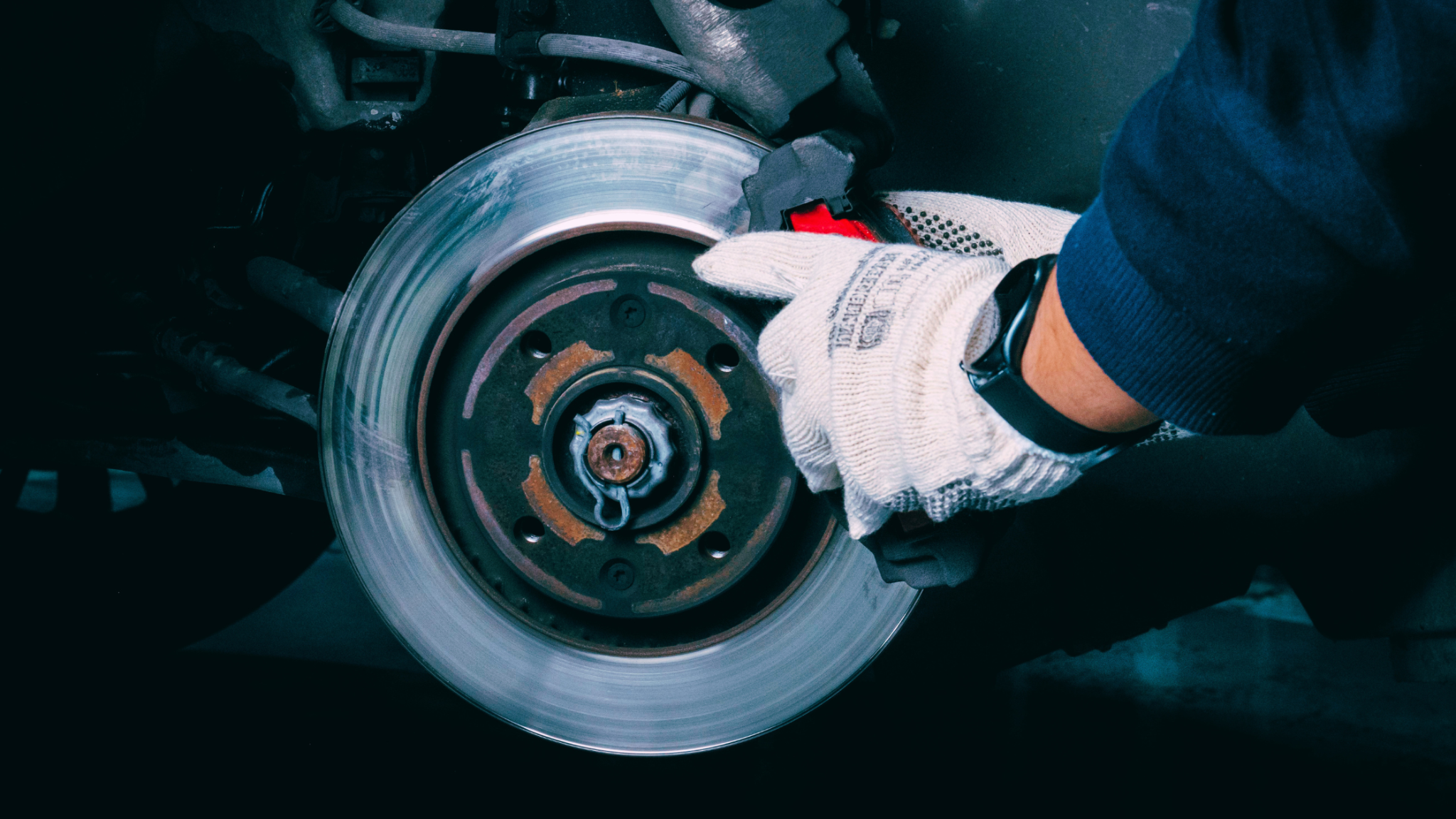
8. Automotive Service Technician
Automotive technicians diagnose and repair vehicles, work that's grown more technical as cars have added computerized systems, hybrid and electric drivetrains, and advanced diagnostics. Most enter with a postsecondary certificate, and certifications like ASE (Automotive Service Excellence) can strengthen job prospects once you're working in the field.

9. Carpenter
Carpenters build and repair structures and fixtures made of wood and other materials across residential construction, commercial building, and remodeling. It's one of the largest skilled trades by total employment, with demand tied to the broader construction industry, and it's also a common entry point for people who eventually want to run their own contracting business. Entry typically requires only a high school diploma or equivalent.

10. Elevator and Escalator Installer/Repairer
Elevator and escalator technicians install, inspect, and maintain the vertical transportation systems in office buildings, apartments, hospitals, and malls. It's a smaller, more specialized trade with a competitive, multi-year apprenticeship, but it's also projected to grow faster than average, and the specialized skill set is in steady demand wherever multi-story buildings exist.
A few things stand out across this list. None of these careers require a four-year degree to get started. Most ask for a high school diploma plus focused technical training, an apprenticeship, or both. Several of them, including wind turbine technician, solar photovoltaic installer, and HVAC technician, are projected by the U.S. Bureau of Labor Statistics to grow faster than the average for all occupations over the next decade. Skilled trades generally offer something a lot of degree paths don't: the ability to start training for a career sooner, with a shorter timeline, in work you can actually put your hands on. As with any career path, individual outcomes vary based on location, work ethic, prior experience, and market conditions, so it's worth researching a field closely before committing to it.
If HVAC, wind energy, or telecommunications tower work sound like the right fit, Pinnacle Career Institute trains students for all three, with a flexible hybrid model allowing students to complete their studies flexibly online and experience hands-on training at PCI's main campus in Kansas City, Missouri.
A few things that set PCI's approach apart:
Accredited, mission-driven training. PCI is accredited by the Accrediting Commission of Career Schools and Colleges (ACCSC), a U.S. Department of Education–recognized accrediting agency, and is a member of organizations including the Global Wind Organization (GWO), the National Wireless Safety Alliance (NWSA), and American Clean Power (ACP). PCI has trained students in Kansas City since 1953.
Online coursework, real hands-on training. Each program combines online instruction with an intensive, in-person practicum at PCI’s Kansas City campus, where students gain hands-on experience using industry-relevant training equipment. Depending on the program, training equipment may include climbing and safety equipment, HVAC lab equipment, hydraulic and electrical trainers, and other specialized tools. Air travel, lodging, program-related local transportation, and daytime meals for the Kansas City practicum are included in tuition.
Support from enrollment through graduation. Every PCI student has access to an Academic Advisor for ongoing support, and a dedicated Career Services team that helps with building an industry-tailored resume, mock interviews, interview coaching, employer networking, and job search guidance.
A clear admissions path. Applicants must have a high school diploma or recognized equivalent, such as a GED or HiSET, and complete PCI’s Admissions Entrance Exam and Online Readiness Assessment. Applicants must be 18 years old by the time they graduate from PCI, with limited exceptions for younger students who have written consent from a parent or legal guardian.
Pinnacle Career Institute provides career preparation and job search support to every student, but, as with any training program, enrolling and completing a program does not guarantee employment; individual outcomes depend on factors like location, prior background, and the job market at the time of graduation. If you're ready to learn more, explore PCI's HVAC, Wind Turbine, and Tower Technician programs or reach out to request information and talk with an admissions advisor about which path fits your goals.
Useful Links
News & Updates